Flashing Font Evaluation: A Detailed Analysis for Designers
In the competitive landscape of visual communication, selecting the right typeface is often the difference between a design that resonates and one that goes unnoticed. Flashing has emerged as a sophisticated script font that bridges the gap between traditional calligraphy and modern organic aesthetics. For designers, brand managers, and creative directors evaluating typography options, understanding the specific characteristics and applications of this font is essential before committing to a project.
This evaluation explores the defining features of Flashing, its suitability for various branding scenarios, and the practical tradeoffs involved in its use. By examining its strengths and limitations, stakeholders can determine if this typeface aligns with their strategic goals.
Understanding the Flashing Typeface
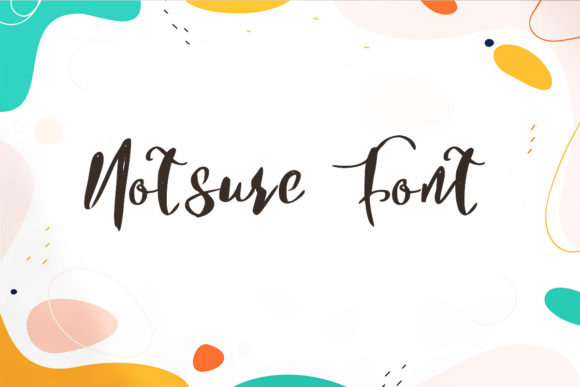
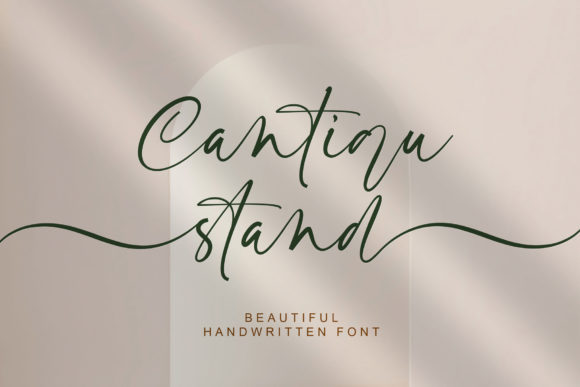
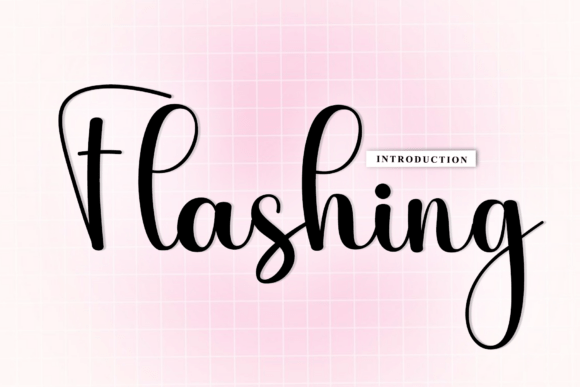
Flashing is characterized by a unique blend of rhythmic movement and artisanal detail. Unlike standard sans-serif or serif fonts, it belongs to the script category but avoids the stiff formality of many digital calligraphic typefaces. Its primary visual hook lies in its sweeping, looping ascenders. These upward strokes are not merely decorative; they create a sense of customized artistry that feels hand-crafted rather than mass-produced.
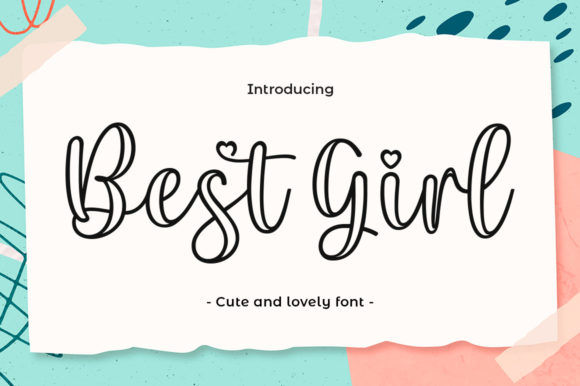
The font balances a fluid, calligraphic style with a warm, organic aesthetic. This warmth is achieved through variable stroke weights and subtle irregularities that mimic the natural flow of a brush or nib. The result is a typeface that conveys personality and approachability while maintaining a high level of legibility within its stylistic constraints. It is designed to stand out as a display element, drawing the eye immediately to headlines, logos, and key messaging.
Strategic Applications and Brand Fit
When considering Flashing for a project, the context is paramount. The font's specific attributes make it a premier choice for industries where authenticity, craftsmanship, and human connection are central to the value proposition. Below are the primary sectors where this typeface demonstrates strong alignment.
- Artisanal Food and Beverage: Brands selling small-batch products, such as craft coffee, organic honey, or handmade chocolates, benefit from the font's organic feel. The sweeping loops suggest a process that is slow, careful, and personal, reinforcing the narrative of quality ingredients and traditional methods.
- Boutique Product Packaging: For luxury goods or niche lifestyle products, packaging must communicate exclusivity. Flashing adds a layer of sophistication that elevates a product from a commodity to a curated experience. The custom look helps differentiate items on crowded retail shelves.
- Upscale Lifestyle Marketing: In fashion, wellness, and interior design, the warm aesthetic of Flashing pairs well with imagery that emphasizes texture and atmosphere. It works effectively for editorial titles in magazines or high-end promotional materials where tone is as important as content.
- Creative Editorial Titles: Publications seeking a distinct voice often turn to script fonts to break the monotony of body text. Flashing provides a dynamic entry point for articles, offering a visual rhythm that guides the reader through the content.
Evaluating Benefits and Tradeoffs
While Flashing offers distinct advantages, no single typeface is universally applicable. A balanced evaluation requires looking at both the benefits and the potential limitations inherent in its design.
The most significant benefit of Flashing is its ability to convey emotion. In a digital environment saturated with clean, geometric sans-serifs, the warm, organic nature of Flashing creates an immediate emotional connection. It suggests care and attention to detail, which can enhance perceived brand value. Furthermore, its distinctive character reduces the risk of generic branding, helping businesses establish a memorable identity.
However, there are tradeoffs to consider. Script fonts inherently carry higher cognitive load than block letters. The sweeping ascenders and complex letterforms require more processing time for the reader. Consequently, Flashing is generally unsuitable for long-form body copy, small UI elements, or situations requiring rapid information scanning. Legibility drops significantly when the font is scaled down too far or placed against busy backgrounds.
Another consideration is versatility. Because Flashing is so stylistically defined, it may clash with other design elements that are rigid or highly structured. Integrating it into a corporate system that relies on strict grid layouts can be challenging without creating visual dissonance. Designers must carefully balance the fluidity of Flashing with the structural needs of the overall layout.
Situations Where Alternatives May Be Preferable
Determining whether Flashing is the right tool also involves recognizing when it is the wrong tool. There are specific scenarios where alternative typefaces would serve the project better.
If the goal is maximum readability across all devices, particularly for mobile interfaces or accessibility-focused projects, a neutral sans-serif or a highly legible serif font is a safer choice. Flashing's decorative nature may hinder users with visual impairments or those reading in low-light conditions. Additionally, for brands targeting a global audience where cultural neutrality is required, the highly stylized, Western calligraphic influence of Flashing might unintentionally alienate certain demographics.
Furthermore, in technical fields such as engineering, finance, or healthcare, the "warm" and "artisanal" connotations of Flashing may undermine the message of precision, reliability, and objectivity. In these contexts, a more clinical and straightforward typeface is usually preferred to maintain professional credibility.
Practical Decision-Making Insights
To decide if Flashing aligns with your specific goals, consider the following decision-making framework. Start by defining the core message you wish to communicate. If the message is about heritage, craft, or personal touch, Flashing is a strong candidate. If the message is about speed, efficiency, or data, reconsider.
Next, evaluate the usage hierarchy. Ideally, Flashing should be used for headlines, logos, and short pull quotes. Pairing it with a highly legible secondary font (such as a simple sans-serif) allows you to leverage its artistic flair without sacrificing readability in the supporting text. This combination ensures that the design remains accessible while still delivering the desired aesthetic impact.
Finally, test the font in real-world contexts. View Flashing on different screen sizes, print proofs, and varying background colors. Assess how the sweeping ascenders interact with surrounding elements. Does the loop overlap with images in a way that creates confusion? Does the weight of the font feel appropriate for the medium? Practical testing often reveals issues that theoretical analysis misses.
Conclusion
Flashing represents a compelling option for designers seeking to inject warmth and artisanal character into their work. Its sophisticated balance of calligraphic style and organic rhythm makes it particularly effective for artisanal food branding, boutique packaging, and upscale lifestyle marketing. However, its decorative nature demands careful application. By understanding its strengths, acknowledging its limitations regarding legibility, and strategically pairing it with complementary typefaces, creators can utilize Flashing to achieve a distinct and memorable visual identity. The decision ultimately rests on whether the project's need for emotional resonance outweighs the requirement for absolute functional clarity.