Notsure Font: A Detailed Look at Its Script Style and Practical Applications
In the vast landscape of digital typography, finding a typeface that balances artistic flair with functional usability can be challenging. Notsure has emerged as a distinctive option for designers and creators who need a font that feels both delicate and undeniably trendy. Unlike rigid geometric sans-serifs or overly formal serif fonts, Notsure occupies a specific niche within the script category. It offers a hand-written aesthetic that mimics the fluidity of ink on paper while maintaining the structural consistency required for professional design work.
When evaluating a new typeface, it is essential to look beyond surface-level aesthetics. The decision to use a specific font often hinges on how well it serves the project's core message. For those considering Notsure, understanding its unique characteristics, potential limitations, and ideal use cases is crucial. This analysis explores where this script font excels and when alternative approaches might better serve your creative goals.
Distinguishing Characteristics of Notsure
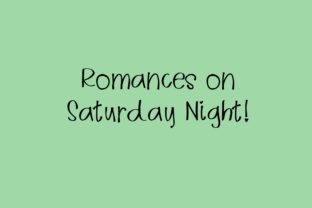
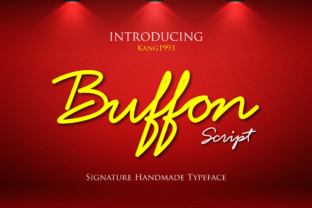
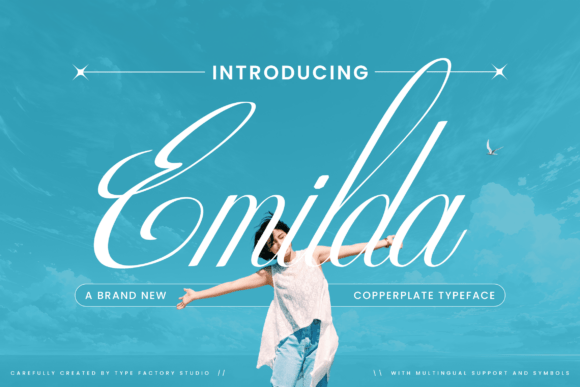
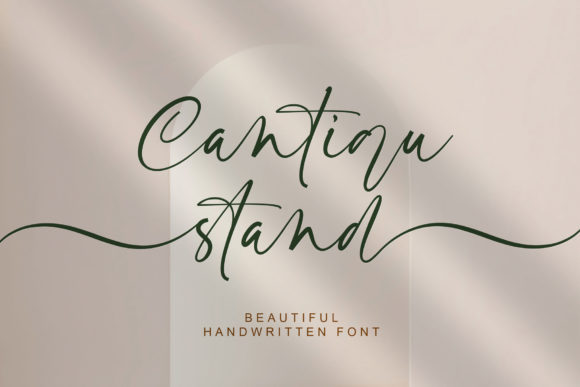
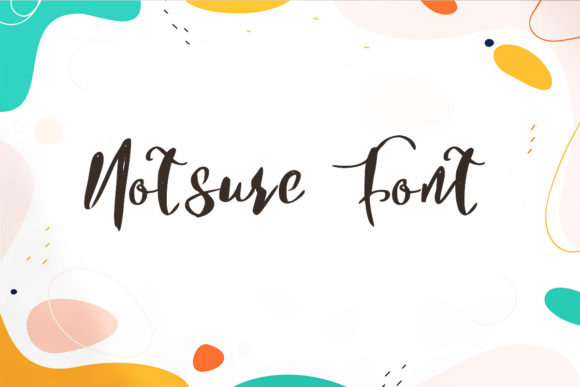
The primary appeal of Notsure lies in its visual personality. As a script font, it is designed to replicate the organic flow of handwriting, yet it avoids the chaotic inconsistency often found in casual cursive styles. The letterforms are constructed with a delicate touch, featuring thin strokes that contrast effectively with thicker downstrokes. This variation creates a sense of rhythm and movement that is absent in more static typefaces.
What sets Notsure apart from other script options is its "trendy" quality. In current design cycles, there is a strong demand for fonts that feel personal and authentic without looking unprofessional. Notsure achieves this by striking a balance between elegance and approachability. The ligatures—the connections between letters—are carefully crafted to ensure that words flow naturally, preventing the disjointed appearance that can plague poorly executed scripts.
For users working on projects that require a touch of sophistication, the font's ability to convey emotion through form is significant. Whether used for a wedding invitation or a modern brand logo, the distinct curves and varying line weights allow the text to act as a visual element rather than just a vehicle for information. However, this emphasis on style means that Notsure is not a universal solution for every design challenge.
Evaluating Use Cases and Versatility
To determine if Notsure is the right tool for your next project, one must examine the specific requirements of the medium. Typography behaves differently across various platforms, and a font that looks stunning on a screen may struggle in print, or vice versa. Understanding these nuances helps in making an informed choice.
- Crafting and DIY Projects: One of the most popular applications for Notsure is in crafting. Because the font captures a hand-drawn feel, it pairs exceptionally well with materials like cardstock, wood, and fabric. When creating physical greeting cards or scrapbook layouts, the delicate nature of the script adds a layer of intimacy that block letters cannot achieve.
- Digital Designing: In the realm of web and social media graphics, Notsure stands out as a way to break up monotony. It is particularly effective for headlines, pull quotes, or short phrases where readability is less critical than visual impact. However, designers must be cautious when using it for body text. The intricate details of the script can become difficult to read at smaller sizes or on lower-resolution screens.
- Presentations: When creating slides for a presentation, the goal is often to engage the audience quickly. Using Notsure for titles or section headers can inject energy into a deck. It signals creativity and attention to detail. Yet, for data-heavy slides or bullet points summarizing complex ideas, a cleaner, more neutral font remains the superior choice to ensure clarity.
- Greeting Cards: Perhaps the most natural fit for this typeface is in stationery. The name itself suggests a personal, perhaps slightly uncertain tone, which fits well with heartfelt messages. The font's ability to mimic a personal note makes it ideal for birthday wishes, anniversary greetings, or thank-you notes where the sender wants to convey warmth.
Comparative Analysis: Strengths and Tradeoffs
No single typeface is perfect for every scenario. When comparing Notsure to other script fonts or standard type families, several tradeoffs become apparent. These factors should weigh heavily in the decision-making process.
Readability vs. Aesthetics
The most significant tradeoff with Notsure is the balance between legibility and style. While many script fonts prioritize readability, sacrificing some character for clarity, Notsure leans towards aesthetic expression. The delicate strokes and connected letters create a beautiful visual experience but can hinder quick reading. If your project requires conveying large amounts of text, such as an article or a long email, a sans-serif or serif font would likely be a more practical choice. Notsure shines best when used sparingly as a focal point.
Consistency vs. Organic Feel
Some designers prefer the randomness of true handwriting, while others need the uniformity of digital type. Notsure sits in the middle ground. It offers the organic feel of a human hand but maintains the consistency needed for branding. Compared to fully random handwritten fonts, Notsure provides better alignment and spacing control. Conversely, compared to highly structured calligraphy fonts, it feels more relaxed and less rigid. This flexibility makes it versatile for brands that want to appear established yet personable.
Technical Limitations
Like all decorative fonts, Notsure requires careful handling regarding file formats and rendering. On older systems or certain mobile devices, the fine details of the script might render poorly, causing characters to disappear or merge. Additionally, kerning (the space between letters) in script fonts often requires manual adjustment. While Notsure comes with built-in ligatures, achieving perfect spacing between specific word combinations may still require the designer's eye. This extra step is a necessary investment for high-quality results.
Decision Factors: When to Choose Notsure
Selecting a font is ultimately about aligning the visual language with the intended message. Here are specific scenarios where Notsure proves to be the optimal selection, alongside situations where you might reconsider.
Ideal Scenarios
You should choose Notsure when the project demands a personal touch. If you are designing a portfolio for a freelance artist, a boutique fashion label, or a lifestyle blog, the font's trendy and delicate vibe reinforces the brand identity. It works well for events that celebrate milestones, such as weddings, baby showers, or anniversaries. In these contexts, the font acts as an emotional bridge between the creator and the viewer.
Furthermore, if your target audience skews younger or appreciates modern, curated aesthetics, Notsure is likely to resonate. It fits seamlessly into contemporary design trends that favor minimalism mixed with expressive typography. The font's ability to stand out without shouting makes it suitable for luxury packaging or high-end editorial layouts where subtlety is key.
When to Look Elsewhere
There are times when Notsure is simply not the right tool. If the primary goal is maximum accessibility or if the content is technical, legal, or academic, a more neutral font is necessary. The intricate details of Notsure can distract from important information. Similarly, for projects requiring high volume of text, such as books, manuals, or lengthy reports, the cognitive load required to decipher the script can frustrate readers.
Additionally, if the design needs to be scalable to very small sizes, such as on business cards or mobile app icons, Notsure may lose its definition. In these cases, a simpler typeface with clearer letterforms ensures the message remains clear regardless of size. Finally, if the brand voice is strictly corporate, serious, or authoritative, the playful nature of Notsure might undermine the desired perception.
Integrating Notsure into Your Workflow
Successfully incorporating Notsure into a design project requires a strategic approach. It is rarely effective to use the font in isolation. Pairing it with a clean, simple sans-serif or serif font can create a harmonious contrast that enhances both elements. For example, using Notsure for a main headline paired with a straightforward body font allows the script to draw attention while the supporting text remains easy to digest.
Color also plays a vital role in how Notsure is perceived. Because the font is delicate, it often benefits from high-contrast color pairings. Dark charcoal or deep navy against a white background can make the script pop without overwhelming the eye. Alternatively, softer pastels can enhance the gentle, romantic qualities of the typeface, though care must be taken to maintain sufficient contrast for readability.
Ultimately, the value of Notsure lies in its ability to add character to a design without dominating it. By understanding its strengths and acknowledging its limitations, creators can leverage this font to produce work that feels both intentional and inspiring. Whether you are crafting a digital asset or a physical keepsake, Notsure offers a reliable path to achieving a stylish, modern aesthetic that connects with audiences on a human level.