The Revolution: Embracing a Timeless Script for Modern Creators
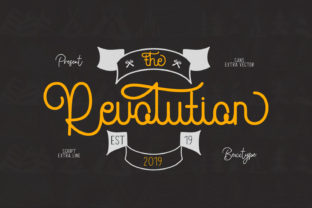
In an era dominated by instant notifications, fleeting trends, and algorithm-driven content, there is a quiet allure to something that feels permanent. The Revolution represents more than just a piece of software or a digital tool; it is a return to the roots of storytelling and structured communication. This old-timey script style radiates nostalgia, evoking the golden age of radio dramas, vintage cinema, and the classic literature that defined generations before us. For creators, entrepreneurs, and educators alike, adopting this aesthetic is not merely about dressing up content in retro packaging. It is a strategic choice to stand out in a crowded digital marketplace by offering a sense of authenticity and gravitas that modern interfaces often lack.
However, embracing The Revolution comes with its own set of pitfalls. Many users dive into this format assuming that the "old-school" label implies simplicity or ease of use. In reality, the transition from standard modern formats to this classic script structure requires a shift in mindset. When done correctly, it enhances engagement and builds a unique brand voice. When done poorly, it can alienate audiences, confuse navigation, and make your message difficult to digest. The key lies in understanding the balance between nostalgic charm and functional clarity.
Navigating Common Missteps with Classic Formats
One of the most frequent errors beginners make when working with The Revolution is prioritizing form over function. Because the script format is visually distinct, often featuring specific headers, character names, and stage directions, there is a temptation to overuse these elements. You might find yourself adding excessive scene descriptions or archaic dialogue markers that slow down the reading experience. While the goal is to capture that vintage feel, cluttering the content with too many stylistic flourishes can obscure the actual message. If your audience has to wade through pages of "FADE IN" or "CUT TO" just to find the core information, they are likely to leave.
Another significant misunderstanding involves the assumption that all audiences will appreciate the retro aesthetic. While nostalgia is a powerful emotion, it is not universal. A segment designed for a 1940s radio listener may not translate well to a mobile user scrolling quickly on a smartphone. If you apply the full weight of the Revolution style to every single page of your website or blog post without considering the context, you risk creating a disjointed user experience. The script should serve as a vehicle for your ideas, not a barrier to them.
Furthermore, professionals often overlook the technical implications of using such a specific layout. Older scripts were designed for printed paper or teleprompters, not responsive web design. When adapting The Revolution for digital platforms, failing to ensure proper spacing, font legibility, and mobile responsiveness can lead to poor usability. A beautiful script that breaks on a tablet screen defeats the purpose of reaching a wider audience. The presentation must remain crisp and professional, regardless of the nostalgic theme.
How Mistakes Impact Your Results
The consequences of these errors extend beyond mere aesthetics. Poorly executed classic scripts can negatively affect efficiency and communication. If your instructions are buried under layers of theatrical dialogue, your readers may miss critical calls to action or important data points. For small business owners and marketers, this translates directly to lost opportunities. A confused customer is rarely a loyal one. Additionally, if the tone is too stiff or overly formal, it can create a distance between your brand and your community. Authenticity is valued highly today, but forced authenticity feels inauthentic.
Cost is another factor often ignored. Investing time in learning a complex script format that does not yield better engagement is a waste of resources. If you spend hours formatting content in The Revolution style only to see no improvement in bounce rates or conversion metrics, you need to reevaluate your strategy. The investment should always be measured against the output. Does the vintage look actually help your story? Or is it just a distraction?
Practical Strategies for a Successful Adoption
To avoid these common traps, start by defining your intent clearly. Ask yourself why you want to use The Revolution. Is it to create a specific mood for a product launch? To tell a compelling brand history? Or simply because you love the style? Once you have a clear purpose, you can tailor the execution to match. Use the script format selectively rather than universally. Perhaps you use it for your "About Us" page to tell your origin story, while keeping your product descriptions clean and modern. This hybrid approach allows you to leverage the emotional power of the past without sacrificing the utility of the present.
When drafting your content, focus on clarity above all else. Treat the script elements as seasoning, not the main course. Ensure that character names and stage directions enhance the narrative flow rather than interrupting it. Use strong tags to highlight key takeaways and emphasized text to guide the reader's eye naturally. Remember that the goal is communication, not performance art. Even if you are writing a script for a video or a podcast, the underlying text must be accessible and easy to scan.
Before committing to a full implementation, test your approach. Create a few sample pieces of content using The Revolution style and share them with a diverse group of users. Ask for honest feedback regarding readability and engagement. Are they enjoying the nostalgia, or do they find it confusing? Their input will be invaluable in refining your strategy. Don't rely on your own assumptions; let real-world data guide your decisions.
Key Checks Before You Begin
There are several critical factors to verify before you fully integrate The Revolution into your workflow. First, check your technical setup. Ensure that your website or platform supports the specific fonts and layouts required to render the script correctly. If you are downloading a template, verify that it is compatible with current browsers and devices. Second, review your content guidelines. Make sure that the tone aligns with your brand identity and values. Third, consider your audience demographics. If your primary users are tech-savvy millennials or Gen Z consumers, a heavy-handed retro approach might feel out of touch unless handled with irony or extreme creativity.
Finally, evaluate the long-term maintenance of your content. Old-timey scripts can be labor-intensive to update. If you plan to change prices, features, or messaging frequently, a rigid script format might become a bottleneck. Choose flexibility where possible. Allow your content to breathe and evolve. By being mindful of these details, you can harness the power of The Revolution to create content that is both timeless and effective.
In conclusion, The Revolution offers a unique opportunity to connect with audiences on a deeper emotional level. However, success depends on thoughtful application and a willingness to adapt. Avoid the urge to copy the past blindly; instead, borrow its spirit to illuminate your future. With the right approach, you can create content that honors tradition while meeting the demands of the modern world.